Friday, July 24, 2020

Tomato Bruschetta with Vegan Feta Spread

As we are coming up to party season, we would like to offer some quick and easy ideas for finger foods or appetizers. Bruschetta are always a welcome favorite. We keep a fresh supply of our favorite home made vegan feta on hand to use in salads as well as other dishes.

Tomato Bruschetta with Vegan Feta Spread

Yield: 12-18 slices

Ingredients:

  • 1 baguette
  • 2-3 tablespoon olive oil
  • 6 or 7 ripe medium tomatoes, chopped
  • 4 ounces vegan feta cheese (recipe)
  • 1/2 cup non-dairy yogurt
  • handful basil leaves
  • freshly ground black pepper

Tomato Bruschetta with Vegan Feta Spread

Directions:

  1. Clean the tomatoes and roughly chop.
  2. Mix the vegan feta cheese with the non-dairy yogurt to make a smooth spread (I use a fork to mix).
  3. Slice the baguette in ½ inch rounds
  4. Brush each side of each slice with the olive oil.
  5. Grill the slices until lightly toasty golden on each side.
  6. Remove from the grill and spread with the vegan feta spread.
  7. Place a generous teaspoon of chopped tomatoes on top of the feta spread.
  8. Add a basil leaf to each slice and grind a bit of black pepper.


from Vegalicious https://ift.tt/39qcrhN
via Why You Should Consider Buying Organic Food

Thursday, July 16, 2020

Nootropics and Adaptogens: What's the difference?

Looking after your mental wellbeing is more important than ever, with people actively looking for ways to keep themselves focused and engaged throughout the day. Whilst there are a lot of recommended mindful exercises and guides out there designed to help improve and stimulate your mental performance - did you know nutrition can be just as impactful for your mind? Keep reading as our health and body care advisor, Lucy Browne, talks us through the benefits of adaptogens and nootropics, the differences between both and how, we too, can begin to improve our mental performance by incorporating a variation of natural supplements into our everyday diet.
 

What are Nootropics?


Nootropics or “brain boosters”, are natural substances that enhance cognitive performance and work to improve mental function by boosting our memory, creativity, motivation and attention.

How do Nootropics Work?

Nootropics boost blood circulation and work to oxygenate the brain. Nootropics reduce inflammation in the brain. Nootropics protect the brain from toxins. Nootropics stimulate the release of neurotransmitters.

What are Neurotransmitters?

Neurotransmitters are chemical messengers released by neutrons, more commonly known as brain cells. These cells use neurotransmitters to communicate with one another and with the addition of nootropic supplements, and these supplements stimulate the release of different neurotransmitters throughout the body. Each with its own set of benefits, the neurotransmitters we’re discussing throughout this article are; acetylcholine, dopamine, GABA and serotonin.

What are adaptogens?


Adaptogens are ancient plants and herbs that each have the unique ability to enhance human resilience to stress. Adaptogens help us "adapt" to numerous environmental stressors that challenge our internal balance. Different to nootropics in the sense that adaptogens actions are non-specific, adaptogens benefits are widespread throughout the body, instead of focussing on a particular concern.

How do Adaptogens Work?

Adaptogens control our bodies natural response to stress (HPA-axis) by regulating the release of cortisol. Adaptogens enhance three distinct body systems: the nervous, immune and endocrine system.
 

What is the HPA-axis (Stress Response)?

The HPA-axis controls how humans respond to physical and psychological stress. The HPA-axis signals the adrenal glands to release cortisol, which is our primary stress hormone. Whilst doing so, adaptogens work to support the adrenal glands by improving their response and resilience to stress.
 

What is the Difference Between Nootropics and Adaptogens?


The terms adaptogen and nootropics are both used interchangeably. This is because some plants and herbs can act as both an adaptogen and a nootropic and as such, their benefits may crossover. However, the primary aim of nootropics and adaptogens is different and distinct. Nootropics work to enhance brain health and cognitive performance, whereas adaptogens focus on reducing both mental and physical stress.
 

Top 10 Nootropics and Adaptogens:


1) Ashwagandha


Ashwagandha is also known as Indian ginseng or winter cherry adaptogen. Ashwagandha is an ancient root belonging to the nightshade family. It has a rich history of use in Ayurveda (Traditional Indian Medicine), dating back to ~6000 years.

Benefits of Ashwagandha:

• Ashwagandha regulates cortisol levels to relieve stress and anxiety.
• Ashwagandha supports our sleep-wake cycle, to maintain a satisfying sleep at night all whilst providing us with steady energy levels throughout the day.
• Ashwagandha is a potent antioxidant and has natural anti-inflammatory properties.


2) Astragalus


The astragalus adaptogen is from the pea family, and is part of the third-largest plant family to exist. Native to China, Mongolia and North Korea, Astragalus is also known as Huang Qi, which translates to ‘yellow leader’. This adaptogen has a long standing medicinal history in Asian cultures, dating back to around 2000 years.

Benefits of Astragalus:

• Astragalus possesses anti-viral and anti-inflammatory properties.
• Astragalus is rich in antioxidant minerals such as zinc and selenium. Providing longevity and a number of anti-ageing benefits.
• Astragalus is key for kidney health.


3) Choline


Choline was first discovered in 1862, when scientists found that the lecithin from bile, once heated, was able to produce this new nootropic chemical. Three years later, ‘choline’ was also found in the brain, in the form of acetylcholine, which acts as the chief neurotransmitter of the parasympathetic nervous system (helping us rest and digest).

Benefits of Choline:

• A deficiency in choline is associated with Alzheimer's disease. Thus, choline plays a vital role in boosting memory and learning.


4) Ginkgo Biloba


The Ginkgo tree, also known as the “living fossil”. Is the oldest living tree in the world and the last surviving species of its kind. Existing for more than 270 million years, the Gingko tree has been around since the time of dinosaurs. Ginkgo holds an ancient history of medicinal and spiritual importance. Especially in Traditional Chinese medicine, as the extracted seeds and leaves from this particular tree are a powerful nootropic.

Benefits of Ginkgo:

• Ginkgo boosts blood circulation and thus, oxygenates the brain. This enhances our overall cognitive performance, especially with regards to memory.
• Ginkgo has been shown to increase dopamine and serotonin in the brain. Mitigating anxiety and low mood.


6) Lion's Mane


Lion's Mane is also known as "The Mountain Priest Mushroom". It grows on hardwood trees in forests across North America, Europe and Asia. Lion's Mane has been used for centuries as a medicinal mushroom in Traditional Chinese Medicine. Throughout history, Buddhist monks have utilised this nootropic’s cognitive benefits to help enhance brain power and focus during meditation.

Benefits of Lion’s Mane:

• Lion's Mane boosts cognitive performance, specifically learning and memory.
• Lion's Mane increases NGF (nerve growth factor), essential for maintaining healthy brain cells. • Lion's Mane possesses powerful immune-modulating properties. It also acts as a potent antimicrobial agent and antioxidant.


7) L-theanine


L-theanine is a type of non-dietary amino acid. Belonging to neither essential nor non-essential dietary amino acids. The L-theanine nootropic was first discovered in 1949 in green tea. It's popularity as a nutritional supplement has since grown exponentially due to its natural detox properties.

Benefits of L-theanine:

• L-theanine increases GABA, which helps to reduce stress and anxiety and is also known to support sleep.
• L-theanine increases dopamine and alpha-brain waves. Leading to relaxation with improved attention.
• L-theanine increases glutathione levels (our master antioxidant) and thus, supports liver and detox.


8) Reishi


Reishi, commonly known as “The Mushroom of Immortality”, grows on the base of deciduous trees in tropical areas of Asia. It grows in a range of colours, with the red reishi being the most potent and researched form. The Reishi adaptogen has held value in Traditional Chinese medicine for over 2,000 years and works to modulate the immune system, as well as providing potent anti-inflammatory and antioxidant properties.

Benefits of Reishi:

• Reishi is the master mushroom at modulating the immune system. It is also the most effective as an antiviral agent.
• Reishi is a potent antioxidant and thus, anti-inflammatory and anti-ageing. • Reishi has also been shown to mitigate anxiety, low mood and aids sleeping.


9) Rhodiola


Rhodiola Rosea is also known as "Golden Root". This flowering plant is native to the arctic regions of Europe and Asia. The medicinal use of Rhodiola dates back to the 17th century. The Vikings are said to have ingested the powerful Rhodiola adaptogen to enhance their strength and increase stamina.

Benefits of Rhodiola:

• Rhodiola significantly reduces fatigue associated with stress and anxiety.
• Rhodiola increases serotonin and thus, is associated with improved mood.


10) Schisandra


Schisandra berry is also known as “The Five Flavoured Fruit”. This is because it possesses the five flavours and elements of Traditional Chinese Medicine. Sour (wood), bitter (fire), sweet (Earth), salty (water), and pungent (metal).

Benefits of Schisandra:

• Schisandra is a powerful antioxidant that protects our cells against inflammation.
• Schisandra optimises liver function and detox pathways.
• Schisandra supports the adrenal glands and protects us against anxiety and stress.


from Planet Organic Blog https://ift.tt/3fySyaT
via How to Save Money When Buying Organic Foods

Wednesday, July 15, 2020

Our Beauty Buyer's Essential Adaptogens and Elixirs

Whilst adaptogens and elixirs aren’t a new concept, there is so much choice out there and this, combined with the lengthy-list of mood-boosting benefits each product can offer, can make choosing the right product for you a challenge. Whether your intention is to feel calmer, lift your spirits, or improve the appearance of your skin and hair, our collection of essential adaptogens and elixirs offers something for all concerns. Keep reading as our beauty buyer, Aurelia, walks us through some of her favourite herbal adaptogen blends easy enough to incorporate into a regular, everyday routine.

Natalia Botanicals Celestial Waves


Natalia Botanicals’ collection of Celestial Waves adaptogens are perfect for those looking to create their own self-care rituals. Choose from a selection of five uniquely-blended elixirs, each tailored to individual interests. From the Shiva botanical adaptogen designed to boost immunity, to the Full Mane elixir to help keep hair looking sleek and healthy, the Natalia Botanical collection of adaptogens are excellent herbal remedies crafted individually to combat specific concerns.

Wunder Workshop Ashwagandha


A must-have in every kitchen pantry and one of our favourite adaptogens formulated to help lift your mood is Wunder Workshop’s Ashwagandha. This Ayurvedic herb is particularly useful for stress relief, and can also help to support hormonal balance and maintain an overall sense of well-being. It’s also a great addition to milk potions, elixirs, smoothies, and more - simply add 1/2 tsp to warm water or tea and enjoy.

Hybrid Herbs Dream Blend Powder


Perfect to melt away any stress that may have built up during the day and to help you to drop off into your soundest slumber, Hybrid Herb’s Dream Blend powder has quickly become our favourite evening drink of choice. Formulated with a powerful blend of Reishi to calm the mind and He Shou Wu to promote healthy ageing by nourishing the Kidney and Liver. We love it added to a warm cup of oat milk, or with cacao, cardamom and coconut nectar to satisfy a sweet tooth.

Glow Bar Moon Shake


Glow Bar’s collection of functional adaptogen shakes and lattes are magnesium-rich formulas that can be enjoyed any time of the day. Glow Bar’s Moon Shake comes in an array of potent blends, including the ritual moon, naked moon and golden moon. One of our favourites combines Ashwagandha, magnesium-rich Raw Cacao and Ginger and it’s caffeine-free. This milky delight is delicious hot, cold, or room temperature, and it'll be just as exquisite and effective either way. Combine 1 tbsp with a splash of hot water and make a rich paste to top with milk. Hazelnut is our favourite complementing milk with this blend, as it works harmoniously with the moon shake, to help keep your gut healthy and happy.


from Planet Organic Blog https://ift.tt/3fz6GRf
via How to Save Money When Buying Organic Foods

Good Hemp's Guide to Hemp and CBD

Between hemp’s unrivalled eco-credentials, long list of health benefits and the ability to make a mean cup of tea – it really is the no-compromise crop. But what exactly is hemp and what are the differences between CBD, hemp oil and the stuff we drink? Keep reading as Good Hemp talk us through all things hemp - as well as touching on the health benefits, nutritional information and why hemp is the sustainable plant of the future.
 

Hemp is the future of our planet – but what on earth is it?!


Plainly speaking, hemp is a plant, scientifically known as ‘cannabis’- but before you start wondering how it’s legal, it is very different from its better-known cousins. Whilst the two plants look very similar (we can’t tell you the number of times our farm in Devon has been reported to the local police), hemp won’t get you high, in fact, it does a lot more… Hemp is a zero-waste crop, meaning every inch of it, from the stalk to the leaves to the flowers, can be used. Here at Good Hemp, we’re mostly interested in the seeds which form the base of all of the products we make. Hemp seeds are tasty little drops of goodness, not just because they’re delicious, but because they are also filled with omega 3, protein and fibre, plus a handful of minerals including potassium, iron and zinc.

But the seeds aren’t the only cool part of the hemp plant – as the stalks can be spun into a fibre which is now widely used across the fashion industry (by brands such as Patagonia, Levi’s and COS), and the flowers and leaves contain large amounts of CBD. We wouldn’t be surprised if the only reason you’ve heard of hemp is through CBD, but the terms are certainly not synonymous!
 

What’s the difference between CBD and hemp?


Unless you’ve been living under a rock, you will have heard the term ‘CBD’ however... we’ll forgive you for not completely understanding what it is! CBD is one of 104 chemical compounds (known as ‘cannabinoids’) found within the hemp plant and is mainly extracted from the plant’s flowers and leaves. CBD is used in many different industries as it’s been found to have properties that can help with a number of ailments including, anxiety, arthritis, Parkinson’s and eczema.

Researchers are still trying to figure out where the potential benefits of CBD fully extend to but widely agree that it works by interacting with the body’s ‘endocannabinoid system’ to restore homeostasis. This applies to multiple areas in the body, hence the multiple benefits! Pretty amazing stuff.

When CBD is extracted from the plant, it’s usually mixed with a carrier oil which can be taken through dropping under the tongue for the most efficient uptake. For this reason, CBD oil is often confused with hemp seed oil, made from the seeds rather than the flowers of the plant. Hemp seed oil naturally contains no CBD, however, is commonly used as the carrier oil for CBD, coming from the same plant it’s not surprising that the flavours go well together. CBD on the other hand, when extracted, is more of a paste, which when mixed with hemp seed oil (or any other carrier oil eg: coconut) forms what we call CBD oil.

Shop our range of specially-formulated CBD products at Planet Organic
 

Why is hemp so special?


If we haven’t convinced you that hemp is the future already, then let’s talk about sustainability.

We probably don’t need to remind you about the trouble our planet is in right now, or that we can’t continue the way we’re going if we want to have a future at all. And this is where hemp really does step forward. There are no other crops that compare to hemp when it comes to environmental impact – it doesn’t need pesticides, herbicides or fertilisers to grow (think of the nickname ‘weed’), in fact, it absorbs toxic chemicals from the soil so can help repair the damage caused by non-organic farming. Could hemp be more on brand? It only needs three to four months from being sown to being harvested and can be grown in almost all climates due to its ability to naturally irrigate itself.

Hemp requires far less water than cotton and absorbs far more CO2 (four times more than trees) making it a more sustainable option for brands looking to offset their impact on the planet. So we’re not joking around when we say that hemp truly is the future of the planet.

*This guest blog is sponsored content written by Good Hemp


Shop Good Hemp at Planet Organic


from Planet Organic Blog https://ift.tt/32jyrJI
via How to Save Money When Buying Organic Foods

Friday, July 10, 2020

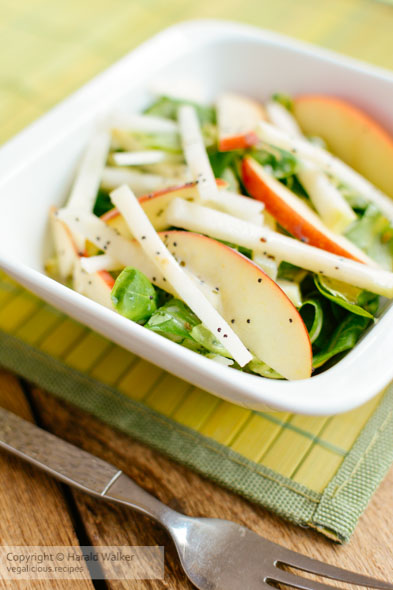
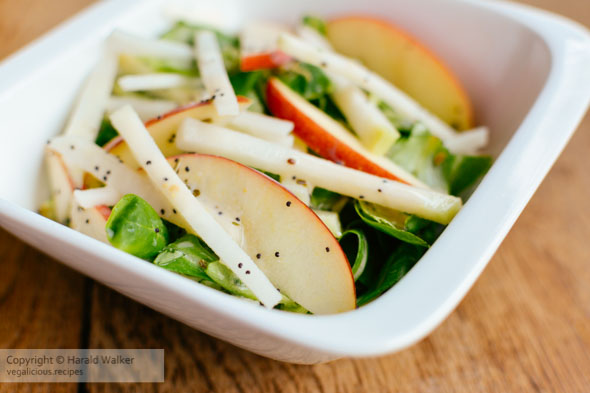
Field Salad, Kohlrabi and Apple Salad with Minty Poppy seed Dressing

We really enjoyed this lovely fresh minty salad. You could use any salad greens that you prefer, the crunchy kohlrabi and apple give a great texture and then minty dressing is delicious.

Field Salad, Kohlrabi and Apple Salad with Minty Poppy Seed Dres

Serving Size: 4

Ingredients:

  • 3-4 cups field salad (lambs quarters, mache), cleaned
  • 1 kohlrabi, peeled and cut into matchstick sized pieces
  • 1 large organic apple, cored and cut into thin slices

for the dressing:

  • ½ cup soy yogurt
  • 1-2 tablespoons chamomile syrup or other sweet syrup
  • 2 tablespoons white wine or white balsamic vinegar
  • splash lemon juice
  • 1-2 tablespoons mint leaves
  • 1-2 drops mint extract
  • ½ teaspoon vegetable bouillon powder
  • ½ teaspoon mild grainy mustard
  • 2-3 teaspoons poppy seeds

Field Salad, Kohlrabi and Apple Salad with Minty Poppy Seed Dres

Directions:

  1. Wash and spin dry the field salad.
  2. Place some cold water in a small bowl, add a splash of lemon juice.
  3. Peel the kohlrabi and slice into matchsticks.
  4. Place the kohlrabi pieces in the lemon water.
  5. Wash and core the apple.
  6. Slice the apple in thin slices and place in the lemon water with the kohlrabi pieces.
  7. Make the dressing:
    1. In a small bowl, put the vinegar, lemon juice and sweet syrup.
    2. Add the vegetable bouillon and whisk to mix.
    3. Add the mint leaves and drops of mint extract.
    4. Add the mustard and whisk.
    5. Add the soy yogurt and 1-2 teaspoons of poppy seeds.and mix well. If you want more poppy seeds add the 3rd teaspoon.
    6. Season to taste with salt and pepper, or additional mint as needed.
  8. To make the salad:
    1. Drain the kohlrabi and apples from the lemon water.
    2. Place the field salad in a large bowl.
    3. Add the kohlrabi and apple pieces.
    4. Drizzle some of the dressing over and lightly toss to mix.
    5. Serve the salad on individual plates or bowls, with dressing at the side for individuals to help them selves to more.


from Vegalicious https://ift.tt/2CjStce
via Why You Should Consider Buying Organic Food

Thursday, July 2, 2020

Spelt Explained by Sharpham Park

At Planet Organic, we take the time and effort to ensure our list of food suppliers share the same passion for providing customers with flavourful, nutritious food. One of our spelt suppliers, Sharpham Park, produces organic spelt that is meticulously stone milled in Somerset, so it reaches you with its goodness, freshness, and rich and nutty flavour intact throughout a range of flour, cereal, pasta and grain products.


Keep reading as we talk with Sharpham Park to give our customers a rundown on the nutritional benefits of spelt, the differences between spelt products, and what positive effects spelt flour and other alternative pasta, cereals and grains can have on your digestive system.

What is spelt?


High in fibre and rich in micronutrients, minerals and vitamins, spelt has been recognised as a wonder grain for centuries. Its slow-release energy made it the ‘marching grain’ of the Roman Army, and Hildegard von Bingen, an 11th-century abbess considered by many to be the founder of scientific natural history in Germany, praised it as, ‘good for the mind, body and soul.

Is spelt better for you?


Given today's depleted diet, which has contributed to food intolerances, poor gut health and bloating, this delicious and versatile ancient grain now has more to offer us than ever. We believe that the roots of our happiness, health and wellbeing lie in the richness, bounty and beauty of the natural world, so we manage our organic spelt farm sustainably. We employ crop rotation to enrich and restore the soil, eschewing the harsh insecticides that damage our natural immune systems and create bug and bird-free wastelands. We leave two-metre margins around our spelt fields and cut the hedgerows only every other year, making a haven for wildlife – from Lapwing to skylarks, butterflies, bees and hares to dormice, deer and damselflies – by offering shelter and foraging, all year round.

Different variations of spelt


Our spelt product range includes a wide variety of different types of grains, pasta and flours - here’s a rundown on how we create some of our most popular spelt foods.

Organic pearled spelt

Our organic pearled spelt is produced by bouncing the grain over rotating stones to remove the outer layer of bran and "pearl" the grain, this means that during cooking it soaks up all the flavours of the food. Plus it is high in fibre and a good source of protein. It makes for the perfect risotto.

Organic Spelt Flour

Our organic spelt flour is stone-ground using traditional methods. This preserves the micronutrients and natural oils within the grain. We currently produce four different types of flour, which are perfect for all baking recipes including organic white and organic wholegrain, organic bakers blend and organic spelt and rye. We are shortly launching an organic Heritage Flour which is a mix of Spelt, Emmer and Einkorn.

Organic Spelt Pasta

Our newest product, organic spelt pasta, was introduced last year in three different varieties; Organic spelt white pasta - Gigli Rigati, organic spelt wholegrain - Casarecce and organic spelt artisan – Conchiglie. Each of these new pasta products are made in the UK using our award-winning organic spelt flour. This traditional pasta is bronze drawn ensuring its rough porous texture binds perfectly with sauces, it also comes in certified compostable packaging.

If you’d like to find out more about spelt, you can explore its wonders in “Spelt”, a definitive collection of spelt-based recipes by Roger Saul, Sharpham Park’s founder. For more information please visit www.sharphampark.com

Spelt Products Featured in this Blog


from Planet Organic Blog https://ift.tt/2NVwBpX
via How to Save Money When Buying Organic Foods

Q+A with Bickham Farm

We stopped farmer Roddy from weeding his leeks to find out what life’s been like on Bickham Farm in Devon during lockdown, why he farms organic and what a typical morning on the farm looks like. Roddy’s farm supplies Planet Organic with organic chard, courgettes and broad beans at this time of year.


1. What do you grow?


We grow tomatoes, courgettes, runner beans, leeks, spinach, chard, kale and broad beans and we also keep animals - turkeys, pigs, geese and cattle.
 

2. How long have you been farming?


I grew up on a farm in Kent and spent my formative years helping out on the farm. After school, I went to agricultural college but lost my way and moved to London. It was fun, but a bout of illness made me revaluate my life. Then three things happened at once: I met my wife, a friend offered me the farm in Devon and I got better. That was 24 years ago and I haven’t looked back. It’s hard work, farming, and the job is never done, but it’s satisfying. You have to enjoy it to do it otherwise you’ll go mad.

3. Talk us through a day on Bickham Farm.

I wake up at 5, put on a pot of tea, then I read my book for about 45 minutes before heading out. The first thing I do is check on the cattle - we have 55 cows and two bulls. Then, I’ll walk around the polytunnels to see which crops need irrigating and work out what needs picking and sending where. The team arrive at 7am and they get straight to work picking vegetables and packing the veg into boxes ready to send off. We’ll be done picking by about 11am, otherwise it starts to get too hot. As we’re organic, we don’t use pesticides to get rid of weeds so I do it by hand. By mid-afternoon, we’re done and I go and check on the cows again. Our produce is collected to go to Planet Organic three times a week, and we sell locally daily too.

4. What’s it like farming during the pandemic?

Orders have got larger, staff have got easier to find and the weather is just as challenging as always. Demand for fresh produce is strong, it must be all of the people who used to eat out now cooking at home for themselves. My kids, 16 and 18, were supposed to be sitting their GCSEs and A Levels, but instead they’ve been at home helping out on the farm. It’s been nice showing them what I do and I think it’s sparked a bit of interest in my son – he’s been driving tractors and has even got me on Instagram.

5. What can we, as consumers, do to help?

Keep cooking at home after the pandemic, and buy organic when you can.

6. Why do you farm organic?

The key to everything is healthy soil - it’s essentials for healthy plants, animals and humans - and that’s the key principal of organic farming, to look after and nurture your soil. Soil is a living thing made up of bacteria and fungi – you have to treat it well, nourish it, and not leech too much from it to keep it healthy. Non organic agriculture has ignored soil and how precious it is. We need to learn to take care of it better.

7. What’s in season now?

We’re currently harvesting spinach, chard, courgettes, broad beans and runner beans.

8. Favourite way to cook with seasonal vegetables?

I love cooking and collecting recipes but I tend to cook more in the winter. The days on the farm are too long at the moment to spend time cooking but once they’re in the ground, I’ll have a bit more time on my hands. I like all of my vegetables steamed. With butter and a pinch of salt, you’re in paradise. One of my favourites for courgettes and broad beans is a belly pork ragu, slow-cooked with thyme until it’s rich.

9. What does the future hold?

Farms are surprisingly difficult to get hold of, but I’d love to try somewhere a bit less hilly and stony...

Shop our London Fresh collection of organic fruit and vegetables online at Planet Organic. 


from Planet Organic Blog https://ift.tt/2Zvhp8r
via How to Save Money When Buying Organic Foods